Biomarker Discovery
Rewiring Cancer Cells Through Ribosome Biogenesis and RNA Splicing
Our research explores the critical vulnerabilities of hard-to-treat cancers, focusing on the unexpected intersection of ribosome biogenesis and RNA splicing. In foundational work published in Cell Chemical Biology, we uncovered a novel tumor-suppressive response triggered by inhibiting RNA Polymerase 1 (Pol 1).
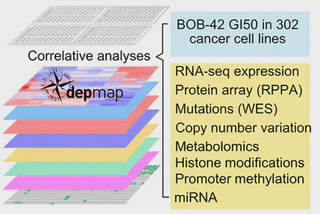
While ribosome biogenesis is a well-known hallmark of cancer, we discovered that the ribosomal protein RPL22 plays a dual role as a critical regulator of RNA splicing. By targeting Pol 1 with novel inhibitors like BOB-42, we can trigger a unique stress response that rewires how cancer cells splice RNA and produce proteins.
Clinical Translation and Future Directions
Our findings show that tumors with mutations in RPL22—or high levels of MDM4 and RPL22L1—are exceptionally sensitive to Pol 1 inhibition. These alterations are highly prevalent in mismatch repair-deficient (MMRd) cancers, such as colorectal, stomach, and uterine cancers, which are often resistant to existing therapies. In preclinical models, targeting this pathway reduced tumor growth by up to 77%. Moving forward, our laboratory is actively investigating how altering cancer cell RNA splicing might modulate tumor antigenicity, potentially paving the way for powerful new combinations with immunotherapies.
